
Shamanic drum care: the life of your drum
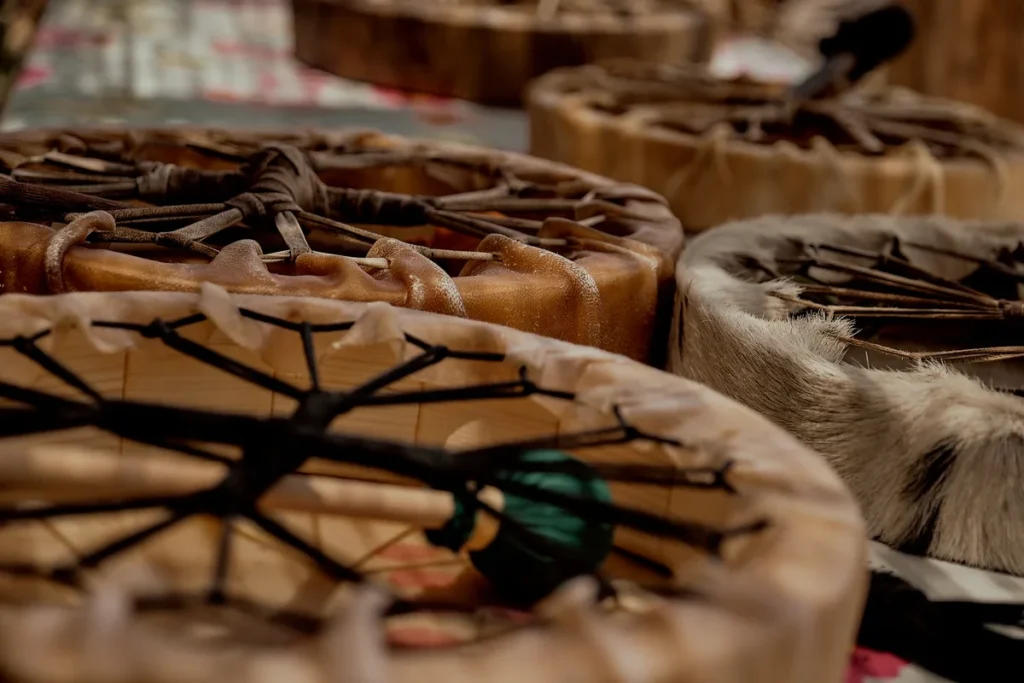
The shamanic drum is a living instrument: it is made from organic materials that change constantly with the conditions around them. It keeps something of where, when and how it was made. And like everything made from hide and natural wood, it needs some simple care to stay with you for a long time.
In short: shamanic drum care starts with understanding that your drum is made of hide and wood, materials that change with humidity and temperature. When humidity is high, the hide loosens and the drum sounds lower; in dry air it tightens and sounds higher. To look after it, keep it in its bag somewhere stable, away from heat sources and direct sun, and avoid leaving it in the car or outdoors. If it sounds slack, put it in the sun or near a gentle source of heat for a few minutes before you play.
Why tension matters
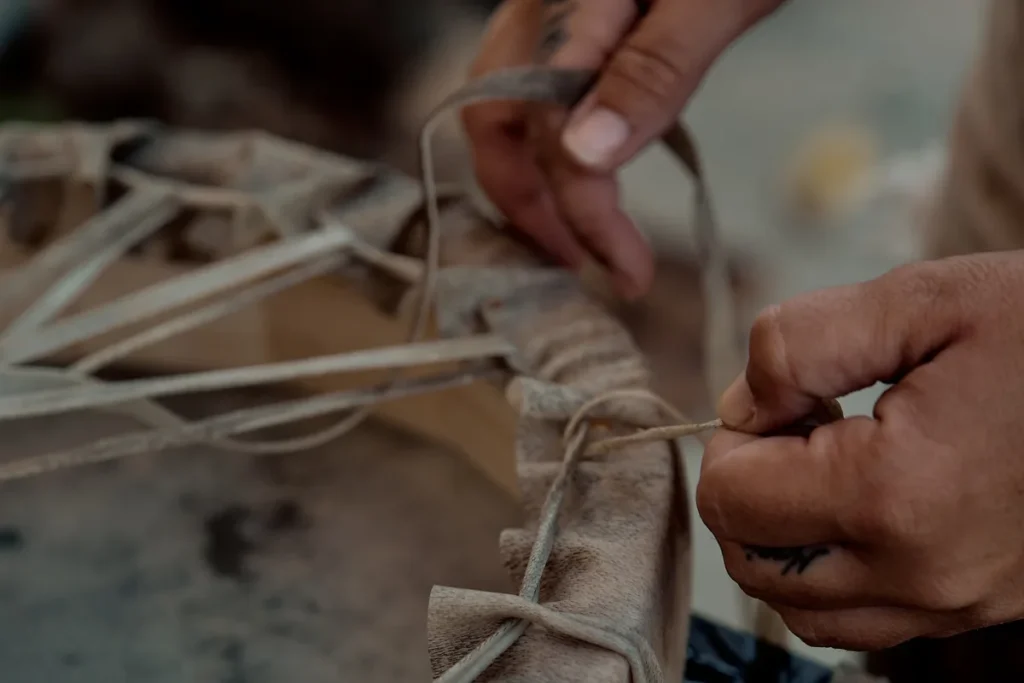
A shamanic drum is, in essence, a membrane (usually hide) stretched over a frame, which vibrates when struck and produces its characteristic tone and timbre. Although this topic deserves a whole article of its own, which will come later, it helps to start with this: there are three main factors that determine the tone of a drum. These are the tension of the hide, the thickness of the hide and the size of the frame.
Once the drum is assembled, the thickness of the hide and the size of the frame do not change, so the tension of the hide becomes the main variable affecting its sound. For the same hide, the higher the tension, the higher the pitch and the brighter the sound; and the other way round, the lower the tension, the lower the pitch and the deeper the drum sounds. This in turn is influenced by factors such as the initial tension the maker gives the drum when assembling it, the weather on the day it was made, the type of lacing used and, above all, the temperature and humidity at the moment you play.
As we said at the start, the drum is made of wood and hide, organic materials that are sensitive to humidity and temperature. When the air is humid, both the hide and the wood absorb moisture. The hide becomes more flexible, which means it loses tension: the drum drops in pitch. On the other hand, when humidity is low or something tends to dry the moisture out, the hide releases moisture into the air and becomes stiffer and tighter, so the drum rises in pitch.
The life of a shamanic drum
A drum is born with an initial tension that largely shapes how the hide behaves over time.
From there its life cycle begins, and with it come changes: moments of more tension and moments of less tension. These cycles repeat and gradually alter the inner structure of the hide fibres (collagen), so drums tend to lose tension over time, a bit like a leather belt or shoe that stretches with use. We have been able to see this when measuring our own drums: the ones that have been played the longest sound lower than their size would suggest. We explain it in our article on the possible benefits of the shamanic drum.
There comes a point when, in high humidity and low temperatures, the drum needs some help to sound good. That is why we often put it in the sun or near a gentle source of heat for a few minutes before playing: heat dries the hide and tightens it.
Following this trend, a moment may come when the drum no longer tightens even with gentle heat. That would be the end of that drum’s life cycle. But it is not usually final: in most cases the drum can be taken apart and re-laced using the same hide.
So each drum has its own life cycle, which depends largely on the changes it is exposed to, and depending on the stage it is in, it may need some care or attention.
Factors that affect the life of the drum
These are the ones with the most influence, and what they cause:
Factor | What happens to the drum |
Initial tension | Depends on how the drum is made: type of hide, lacing, size, weather on the day it was tightened, initial drying. |
High humidity | The hide absorbs water and the drum loosens. |
Low humidity | The hide releases water and the drum tightens. |
Very high humidity or direct contact with water | The hide can wrinkle, and mould is more likely to appear. |
Very low humidity | The hide can become over-tight and may even split. |
Sudden changes in temperature and humidity | They intensify (worsen) all of the effects above. |
Frame wood (hoop) | To a lesser extent, it also changes with humidity and temperature. |
How to store it
- A stable spot, away from radiators, fireplaces or windows with direct sun.
- If it has a bag, it is better kept inside it: the bag protects it from knocks and dust.
- Avoid resting any weight on the drum or keeping it where something could press on the hide.
- If you are not going to use it for a long while, you do not need to do anything special: just look after the place where it rests.
Travelling with your drum
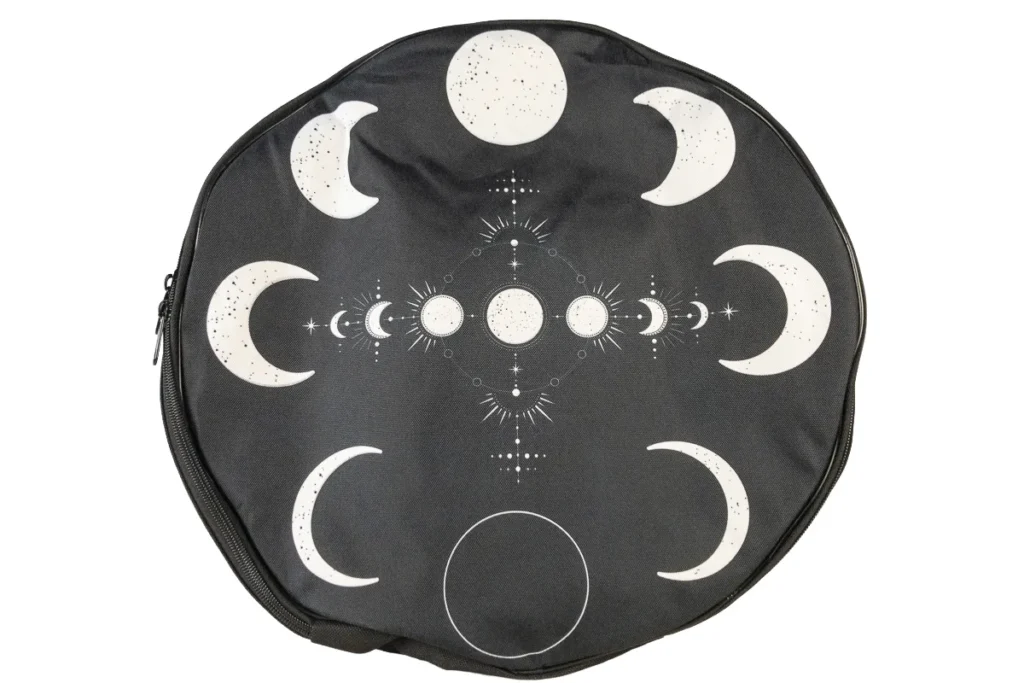
To move it from one place to another, a drum bag is your best ally. If you go by car, avoid leaving it in the boot for hours: it is one of the places where temperature changes hit hardest.
If you are flying, take it as hand luggage if its size allows. The hold has harsher changes in pressure and temperature.
Situations to avoid
- Leaving it outdoors: it is very common, before or after playing, to leave the drum resting somewhere that seems fine at that moment but, as minutes or hours go by, ends up in the sun or, after sunset, becomes a very damp spot. That is why it is best to keep the drum in a bag whenever you are not playing it.
- Hanging it on the wall: although many of us love how a drum looks hanging on the wall, it may not be the best place to leave it for long periods, or even just while we are not playing it. Walls can be damp or very exposed to changing conditions, so depending on the wall, it may be a good idea to avoid it.
- Leaving it in the car: a car in the summer sun can get extremely hot, and just as cold and damp on a winter night. So we should avoid leaving the drum there as far as possible.
The drum and the temazcal
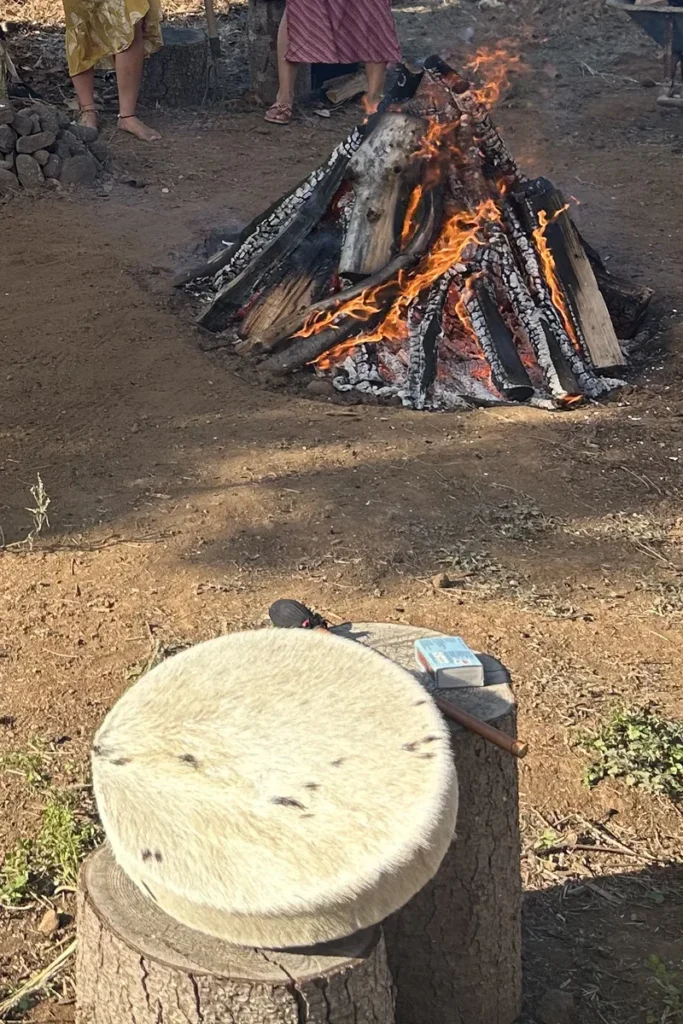
From a purely technical point of view, the very high heat and humidity inside the lodge (inipi) during a temazcal are the opposite of the ideal conditions for the care and “good health” of drums made of wood and hide. In general, when a drum like this goes into a temazcal, sooner or later it loses its tension and produces a “flabby”, dull sound. The usual practice is to take the drum out between doors and place it near the fire, so that it warms up and dries, recovering tension and sound. But such sudden changes, in which both hide and wood absorb and release moisture very quickly, can be a kind of torture for the drum.
At Alpa Kamaska we believe drums are, above all, meant to be played. So when someone feels they want to play their drum inside a temazcal, we usually encourage them to do so, while always making them aware that they are probably shortening the drum’s life cycle quite a lot, and that, depending on the type of drum, it may not stay in good playing condition inside the temazcal for long.
You could say that, although you can play almost any drum inside a temazcal, some drums are better suited to it than others. Type of hide, lacing, size, thickness, tension and so on are all very important factors in making one drum more suitable for the temazcal than another, but we will look at that in more detail in another article.
In short
Caring for a shamanic drum does not take much technique: it is more about treating it as what it is, something alive and sensitive to its surroundings, just like you. With a little common sense (avoiding extremes of humidity, heat and knocks), it will stay with you for a long time.
Frequently asked questions about shamanic drum care
Why does my shamanic drum sound slack or lower than usual?
It is almost always humidity: when the air is damp, the hide absorbs water, becomes more flexible and loses tension, so the drum drops in pitch. Also, through repeated cycles of tightening and loosening, drums tend to lose some tension over time.
How do you tighten a drum that has lost tension?
Put it in the sun or near a gentle source of heat for a few minutes before playing. The heat dries the hide and brings back its tension.
What if my drum no longer tightens, even with heat?
It would have reached the end of its life cycle, but this is not usually final: in most cases the drum can be taken apart and re-laced using the same hide.
Is it a good idea to hang the drum on the wall?
For long periods, it is not usually the best place. Walls can be damp or exposed to changing conditions, so it depends on the wall. The best option is to keep it in its bag whenever you are not playing it.
How should I transport my drum?
In its bag. Avoid leaving it for hours in the boot of the car, where temperature changes are very sharp. If you fly, take it as hand luggage if its size allows, because pressure and temperature changes in the hold are harsher.
Can I play my drum inside the temazcal?
Yes, and we encourage you to play it, but it is worth knowing that the heat and humidity of the temazcal make the hide lose tension, and the sudden changes when you take it out to dry by the fire between doors shorten its life. Depending on the type of drum, it may not keep sounding good in there for very long.
If you have questions about caring for your own drum, write to us. Every instrument is different, and sometimes a specific answer helps more than a general rule.
