
Native American flute care
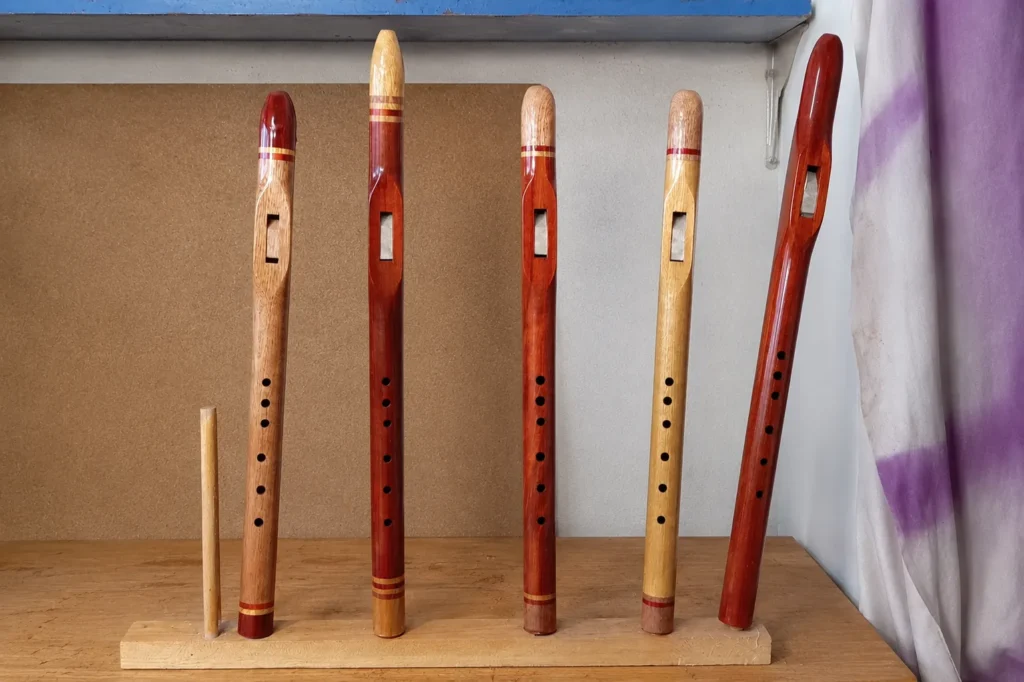
The Native American flute keeps us company and gives us moments of connection. For it to last a long time, it is worth learning how to look after it. Here we explain what can damage it and how to avoid it.
In short: Native American flute care comes down to drying your flute after every time you play (remove the bird and run a lint-free cloth through the lower part of the flue) and protecting it from sudden changes in humidity and temperature, direct sun and products containing alcohol. Keep it in a breathable cloth bag, somewhere stable, and if you fly, take it as hand luggage.
A wood that is still alive
Whatever the construction method, the wood a Native American flute is made from is a hygroscopic material: even when it is dry and worked, it keeps absorbing and releasing moisture depending on its surroundings. You notice this sensitivity both in the sound and in the way the wood itself behaves.
What can damage it?
- Too much moisture: the wood swells and the flute may feel a little heavier or less responsive when you play.
- Very dry environments: the wood shrinks, and this is where the real risk appears: cracks.
- Sudden changes in temperature: moving quickly from cold to heat (or the other way round) is usually harsher than either extreme on its own.
- Direct sun: it dries the wood out faster than usual and can change the colour of the finish.
- Knocks and falls: especially on the bird, the most exposed part when you play or leave the flute resting anywhere.
- Alcohol and other external agents: some cleaning products (especially those containing alcohol) can dissolve the finish. A cloth is all you need.
- Eating or drinking while you play: the traces left in your breath, combined with the moisture in the slow air chamber, can encourage mould.
Drying it after playing
After each time you play, it is worth spending a minute drying it. Condensation from your breath builds up mainly in the lower part of the flue, right where the bird sits. Simply remove the bird and run a lint-free cloth over that area.
Then leave the flute standing upright for a while, with the bird removed and the north end (the mouthpiece end) facing up, so it can finish draining before you put it away.
Sometimes you notice the moisture while you are playing: the flute starts to sound dull, almost hoarse, or the notes break easily. If this happens, partly cover the end of the flute and blow hard, which pushes out the condensation that has built up near the mouthpiece. If that is not enough, remove the bird and dry it as before.
To clean the outside, a slightly damp cloth is enough. No alcohol or cleaning products, as we saw above.
How to store it
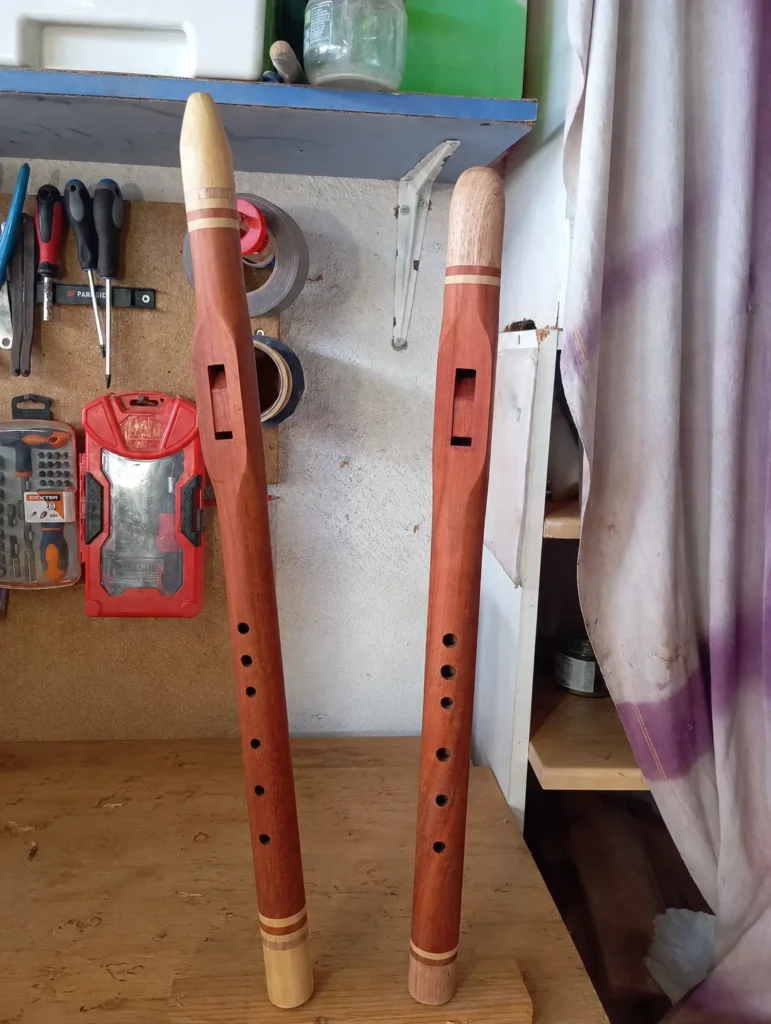
To store it, a cloth bag that “breathes” is better than a tightly closed or leather case. If the flute spends a long time sealed in, it has no way of releasing the moisture it absorbs, and that eventually takes its toll too.
Choose a stable spot, away from radiators, fireplaces or windows with direct sun. Also avoid putting weight on top of it or keeping it where something could knock the bird.
If you are not going to play it for a long while, it does not need anything special, just a good place to rest.
Travelling with your flute
To move it from one place to another, its bag is the best protection. Avoid leaving it for hours in the boot of a car, one of the places where temperature changes are harshest.
If you are flying, it is best to keep it with you as hand luggage if its size allows. In the hold, changes in pressure and temperature are much harsher.
In short
In the end, caring for a Native American flute comes down to very little: dry it after every time you play and protect it from sudden changes. With those two habits, most problems never even appear.
Frequently asked questions about Native American flute care
How do you dry a Native American flute after playing?
Remove the bird and run a lint-free cloth through the lower part of the flue, where most of the condensation from your breath builds up. Then leave it upright for a while, with the bird removed and the north end facing up, so it can finish draining before you put it away.
Why does my flute sound dull or hoarse?
It is almost always moisture: condensation from your breath builds up near the mouthpiece and the notes come out muffled or break easily. Partly cover the end of the flute and blow hard to push it out. If that is not enough, remove the bird and dry it with a cloth.
What can crack a wooden flute?
Above all, very dry environments, where the wood shrinks, and sudden changes in temperature, which are usually harsher than either extreme on its own. Direct sun also dries the wood out faster than usual.
How do you clean the outside of a Native American flute?
A slightly damp cloth is enough. Avoid alcohol and cleaning products, because they can dissolve the finish.
Where is the best place to store the flute?
In a breathable cloth bag rather than a tightly closed or leather case, and somewhere stable, away from radiators, fireplaces or windows with direct sun. Avoid putting weight on it or keeping it where something could knock the bird.
How should I travel with my flute?
Always in its bag. Do not leave it for hours in the boot of a car, where temperature changes are very sharp. If you fly, take it as hand luggage if its size allows, because pressure and temperature changes in the hold are harsher.
And if you have any questions about your own flute, write to us directly. Not all flutes behave the same way, depending on how they are made and how they are finished. You can tell us about it through our contact page and we will help you sort it out.
